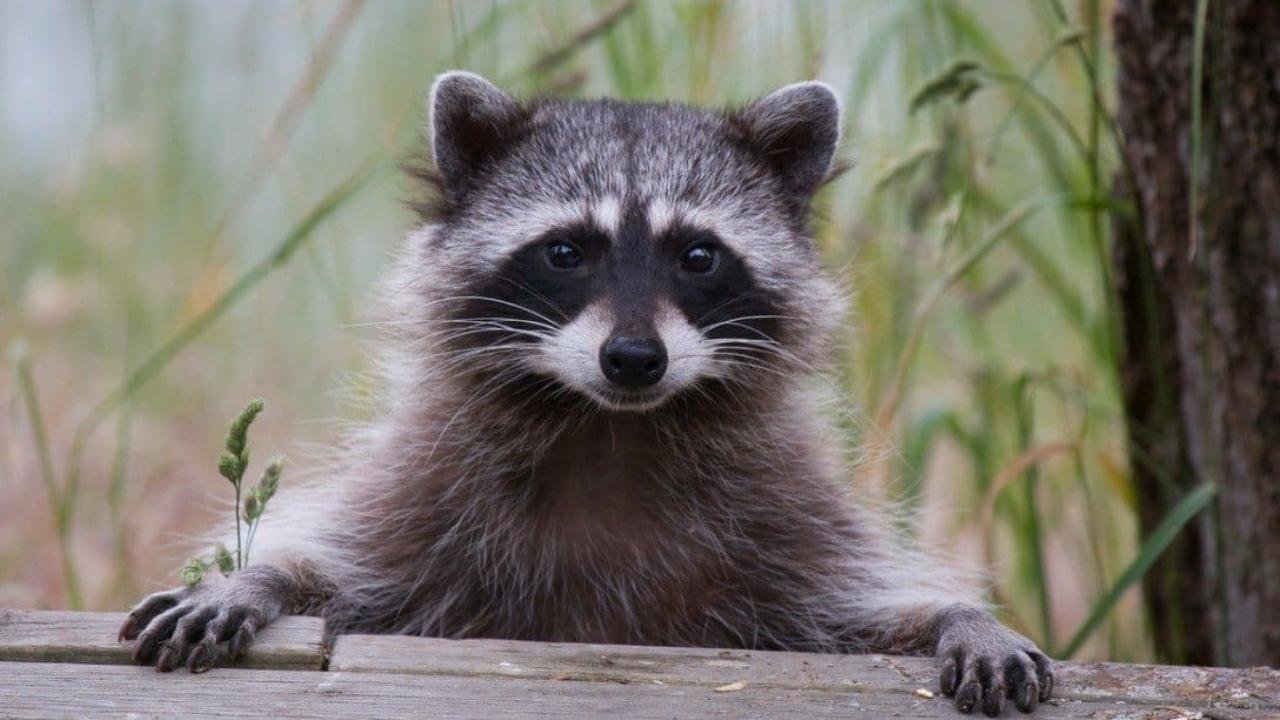
Raccoons have recently gained attention on social media and wildlife channels, and many people are now wondering whether these clever animals can be kept as household pets. Their playful behavior, expressive faces, and surprisingly high intelligence make them fascinating creatures to watch. However, keeping a raccoon at home is very different from adopting a dog or cat.
Before considering a raccoon as a pet, it is important to understand how they behave, what they need, and whether they can realistically adapt to life inside a human home.


4
Natural Behavior Matters
Raccoons are naturally wild animals. In the wild, they spend most of their time exploring forests, riversides, and urban environments while searching for food. Their strong curiosity and problem-solving abilities allow them to open containers, doors, and even latches.
Because of these instincts, raccoons tend to explore everything inside a house. Cabinets, drawers, refrigerators, and trash bins often become their playground. While this intelligence is impressive, it can also make them extremely difficult to manage indoors.
Intelligence Comes With Challenges
One of the biggest reasons raccoons attract attention as pets is their intelligence. They are capable of remembering solutions to problems and learning routines quickly. Some owners report that raccoons can even respond to their names or perform simple tricks.
However, this intelligence also means they become bored easily. A bored raccoon may start chewing furniture, opening cupboards, or scattering objects around the house. Unlike traditional pets, raccoons require constant mental stimulation and supervision.
Diet And Feeding Needs
Raccoons are omnivores, which means they eat both plant-based and animal-based foods. In the wild they consume fruits, nuts, insects, fish, eggs, and small animals.
A balanced pet raccoon diet usually includes:
- Fresh fruits and vegetables
- Eggs or cooked meat
- Specialized animal nutrition mixes
- Occasional insects or protein sources
Maintaining the right nutrition is important because improper diets can quickly lead to obesity or health issues in captive raccoons.
Space And Environment Requirements
Keeping a raccoon in a small apartment or confined indoor space is rarely ideal. These animals require a large environment where they can climb, explore, and stay active.
Owners who keep raccoons legally often provide:
- Outdoor enclosures or large play areas
- Climbing structures or branches
- Toys and puzzle feeders
- Safe hiding spaces
Without enough activity and space, raccoons can become stressed and destructive.
Legal Restrictions In Many Places
One of the most important factors people overlook is legality. In many countries and regions, raccoons are classified as wild animals, and keeping them as pets may be restricted or require special permits.
Local wildlife laws often exist to protect both the animal and the public. Wild animals that are not properly handled can spread diseases or become aggressive when stressed.
Anyone considering a raccoon as a pet should first check their local wildlife regulations and licensing requirements.
Social Behavior And Bonding
Raccoons can sometimes bond with their owners, especially when raised from a young age. They may enjoy climbing onto shoulders, following people around the house, or interacting during playtime.
However, their temperament can change as they mature. Adult raccoons may become more territorial and less tolerant of handling. This means a raccoon that behaved like a playful baby may become unpredictable as it grows older.
Because of this, raccoons are usually not recommended for homes with small children.
Health And Veterinary Care
Another challenge of owning a raccoon is finding proper veterinary care. Not all veterinarians treat exotic animals, and raccoons require specialized medical attention.
Possible health concerns include:
- Parasites
- Obesity from improper diet
- Dental issues
- Stress-related behavior problems
Regular checkups and preventive care are essential if someone decides to keep a raccoon responsibly.
Why Some People Still Choose Them
Despite the challenges, some experienced exotic-animal enthusiasts choose raccoons as pets because of their unique personalities. They are playful, curious, and capable of forming strong bonds with their caretakers.
When raised properly in the right environment, raccoons can display affectionate behavior and entertaining intelligence. But this type of ownership requires commitment, knowledge, and patience.
Future Of Exotic Pet Trends
Interest in unusual pets has been growing globally. Animals like raccoons, foxes, and sugar gliders often trend on social media platforms where people share videos of their daily behavior.
However, wildlife experts generally recommend caution. Many animals that appear cute online still have natural instincts that make them difficult to manage in a typical household.
Education and responsible ownership will likely become more important as exotic pet interest continues to grow.
Final Thoughts
Raccoons are fascinating animals with remarkable intelligence and personality. While they can sometimes be kept as pets under the right circumstances, they are not suitable for most homes.
Anyone considering a raccoon should carefully evaluate the legal requirements, living space, diet, and long-term responsibility involved. For many people, appreciating raccoons through wildlife observation or documentaries may be a better option than trying to keep one as a pet.
Understanding the needs of the animal always matters more than simply following a trend.