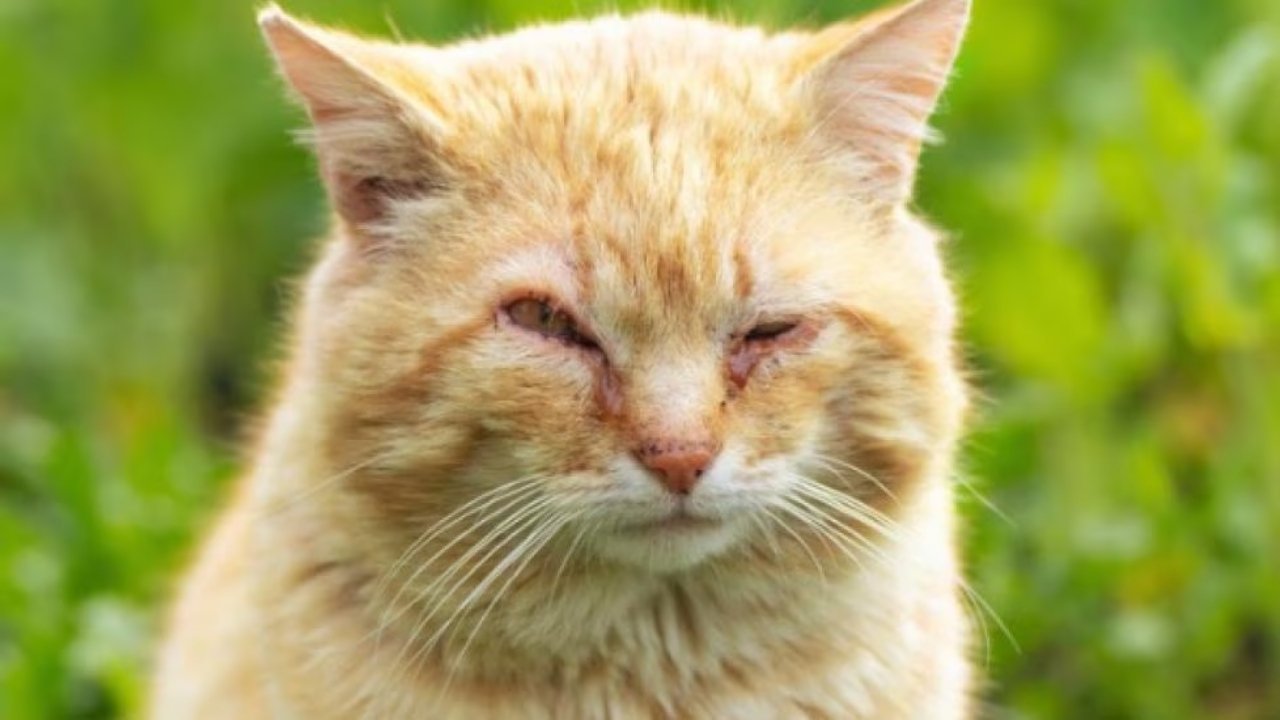
Cats are known for their bright, expressive eyes. When those eyes suddenly appear red, irritated, or swollen, it can worry any pet owner. Red eyes in cats are not a disease themselves but usually a symptom of an underlying issue that may range from mild irritation to serious infections. Understanding why this happens and how to respond quickly can protect your cat’s vision and overall health.
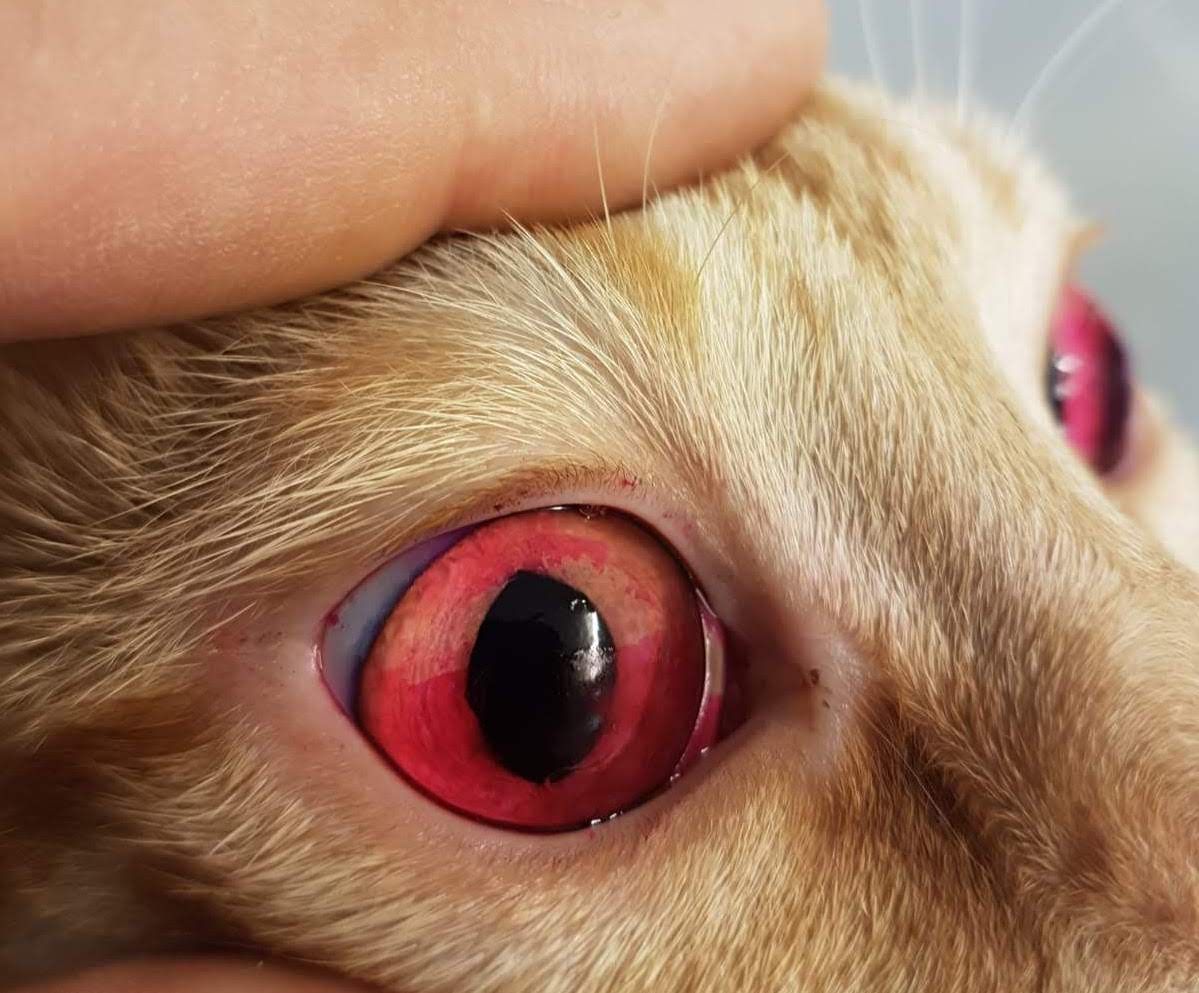
1. Cat Red Eye Close-Up


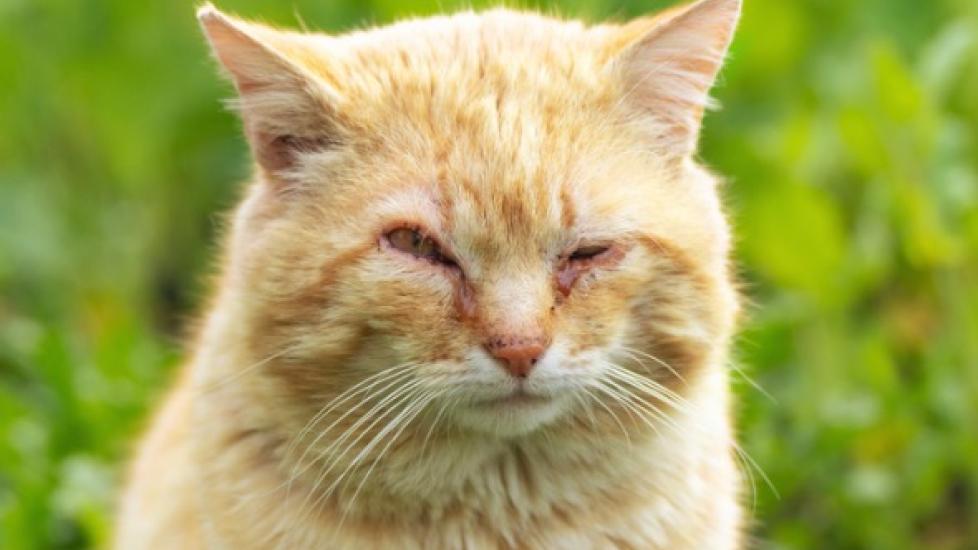
Many pet owners ignore early eye redness assuming it will disappear on its own. However, veterinary experts warn that untreated eye problems can sometimes lead to chronic infections or even vision loss. Knowing the causes, warning signs, and treatment options can help you act at the right time.
Why Red Eyes Should Never Be Ignored
A cat’s eye is a delicate organ. Even small irritations can trigger redness because the blood vessels around the eye expand in response to inflammation or infection. When this happens, the white area of the eye (sclera) may appear pink or red.
Redness may also be accompanied by other symptoms such as watery discharge, swelling, blinking, or sensitivity to light. These symptoms indicate that the body is trying to fight off irritation or infection.
Veterinarians emphasize that eye problems progress quickly in cats. What starts as mild irritation could develop into more serious conditions such as corneal ulcers or bacterial infections if left untreated.
Common Causes of Red Eyes in Cats
There are several reasons why a cat’s eyes may turn red. Some are minor and temporary, while others require medical attention.
2. Cat Eye Infection Symptoms


Conjunctivitis (Eye Infection)
One of the most common causes of red eyes in cats is conjunctivitis. This condition occurs when the thin membrane covering the eye becomes inflamed.
Symptoms may include:
- Red or swollen eyes
- Watery or sticky discharge
- Frequent blinking
- Sensitivity to light
Conjunctivitis can be caused by bacterial infections, viral infections, allergies, or irritants such as dust or smoke.
Allergic Reactions
Just like humans, cats can develop allergies to environmental triggers. Dust, pollen, cleaning chemicals, or certain foods may cause eye irritation.
When allergies affect a cat’s eyes, redness is often accompanied by:
- Itchy eyes
- Excessive tearing
- Sneezing
- Nasal discharge
In such cases, the eye redness usually improves once the allergen is removed from the environment.
Eye Injuries or Foreign Objects
Cats are naturally curious and active animals. While playing or exploring, they may accidentally scratch their eyes or get small particles stuck inside them.
Common irritants include:
- Dust particles
- Sand
- Plant material
- Hair or debris
Foreign objects can cause immediate redness and discomfort. If not removed quickly, they may damage the cornea.
Corneal Ulcers
A corneal ulcer is a wound or scratch on the surface of the eye. This condition can occur due to injuries, infections, or untreated eye irritation.
Signs of corneal ulcers include:
- Severe redness
- Squinting
- Cloudy appearance in the eye
- Excessive tearing
Corneal ulcers are serious and require immediate veterinary treatment to prevent permanent damage.
Viral Infections
Certain viral infections in cats can also affect the eyes. One well-known example is feline herpesvirus, which commonly causes respiratory and eye symptoms.
When viruses are involved, eye redness may occur along with:
- Sneezing
- Runny nose
- Fever
- Eye discharge
These infections often require antiviral medications and supportive care.
Warning Symptoms Cat Owners Should Watch
Redness alone may not always indicate a serious issue. However, certain symptoms suggest that your cat needs medical attention quickly.
3. Cat Allergic Eye Irritation

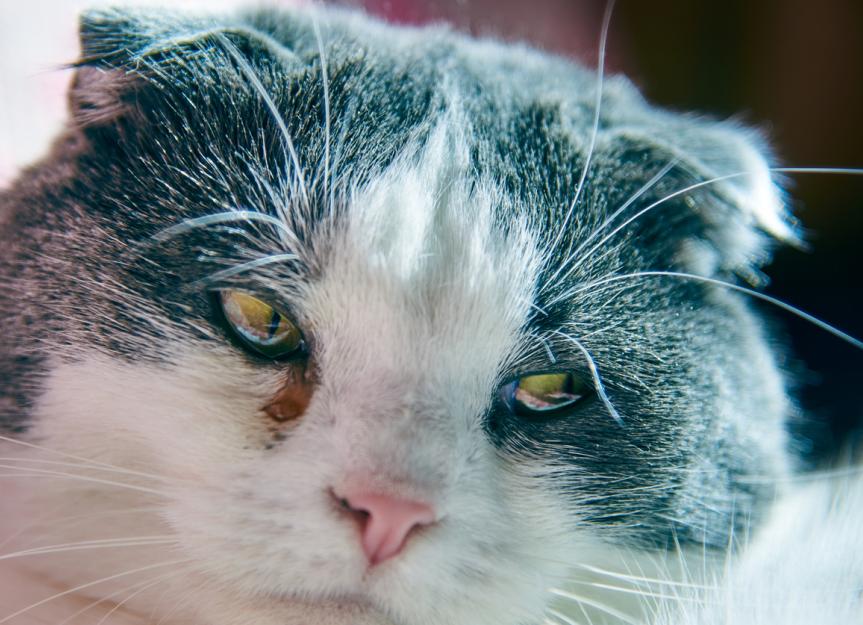
Watch for these warning signs:
- Thick yellow or green eye discharge
- Swelling around the eye
- Cloudy or bluish eye surface
- Continuous blinking or squinting
- Your cat pawing or rubbing its eyes
If these symptoms appear, it is best to consult a veterinarian immediately rather than attempting home remedies.
How Veterinarians Diagnose Eye Problems
When a cat is brought to a clinic with red eyes, veterinarians perform several examinations to determine the cause.
The diagnostic process may include:
- Visual eye examination
- Fluorescein stain test to detect corneal ulcers
- Eye pressure measurement
- Swab tests to identify infections
These tests help determine whether the problem is caused by infection, injury, allergies, or underlying disease.
Accurate diagnosis is important because different causes require completely different treatments.
Treatment Options for Red Eyes in Cats
Treatment depends entirely on the underlying cause of the redness.
Antibiotic Eye Drops
If a bacterial infection is responsible, vets often prescribe antibiotic eye drops or ointments. These help eliminate bacteria and reduce inflammation.
Antiviral Medication
When viral infections are involved, antiviral medications may be used to control symptoms and prevent complications.
Anti-Inflammatory Treatments
In cases of allergies or inflammation, vets may prescribe anti-inflammatory medications to reduce swelling and redness.
Removal of Foreign Objects
If debris or particles are stuck in the eye, the veterinarian carefully removes them and cleans the eye to prevent infection.
Surgical Treatment (Rare Cases)
In severe cases such as deep corneal ulcers, minor surgical procedures may be necessary to protect the eye and preserve vision.
Simple Prevention Tips for Cat Owners
While not every eye problem can be prevented, certain precautions can significantly reduce the risk.
Pet experts recommend:
- Keeping your cat’s living area clean and dust-free
- Avoiding strong chemical cleaners around pets
- Regular grooming to prevent hair irritation
- Routine veterinary checkups
- Monitoring outdoor cats for injuries
Early detection is one of the most effective ways to protect a cat’s eye health.
Long Term Impact of Ignoring Eye Issues
Ignoring eye redness may lead to more serious complications over time. Untreated infections can spread deeper into the eye, causing:
- Chronic inflammation
- Corneal scarring
- Vision impairment
- Permanent blindness in severe cases
This is why veterinarians recommend treating eye symptoms as early as possible rather than waiting for them to worsen.
What the Future of Pet Eye Care Looks Like
Veterinary medicine is evolving quickly, especially in the field of pet ophthalmology. New diagnostic tools and advanced treatments are helping veterinarians detect eye problems earlier and treat them more effectively.
Specialized eye clinics for pets are becoming more common, and improved medications are reducing recovery time for many conditions. These advancements mean that many eye problems that once caused permanent damage can now be treated successfully.
Quick Bullet Summary
- Red eyes in cats usually indicate irritation, infection, or injury.
- Conjunctivitis, allergies, viral infections, and foreign objects are common causes.
- Warning signs include discharge, swelling, and excessive blinking.
- Early veterinary diagnosis helps prevent serious complications.
- Treatments may include eye drops, antiviral medication, or minor procedures.
- Regular care and monitoring help protect your cat’s eye health.